The initiative brings together psychological assistance, improved conditions in maternity facilities, and the creation of a safe environment for women who have experienced trauma. The project aims not only to support women during one of the most vulnerable periods of their lives but also to help shape a new approach to maternal health in Ukraine.
The birth of a child is an event that stays in memory forever. Studies show that women remember the details of the place where they gave birth even 10 to 20 years later: the view from the window, the color of the walls, whether there was space for their partner nearby, whether they could close the door and be alone with their baby during the first hour. These details shape more than a memory; they shape a woman’s perception of motherhood as a whole. Today in Ukraine, women give birth after months of living under shelling, often without their husbands by their side, in a state of chronic stress and exhaustion.
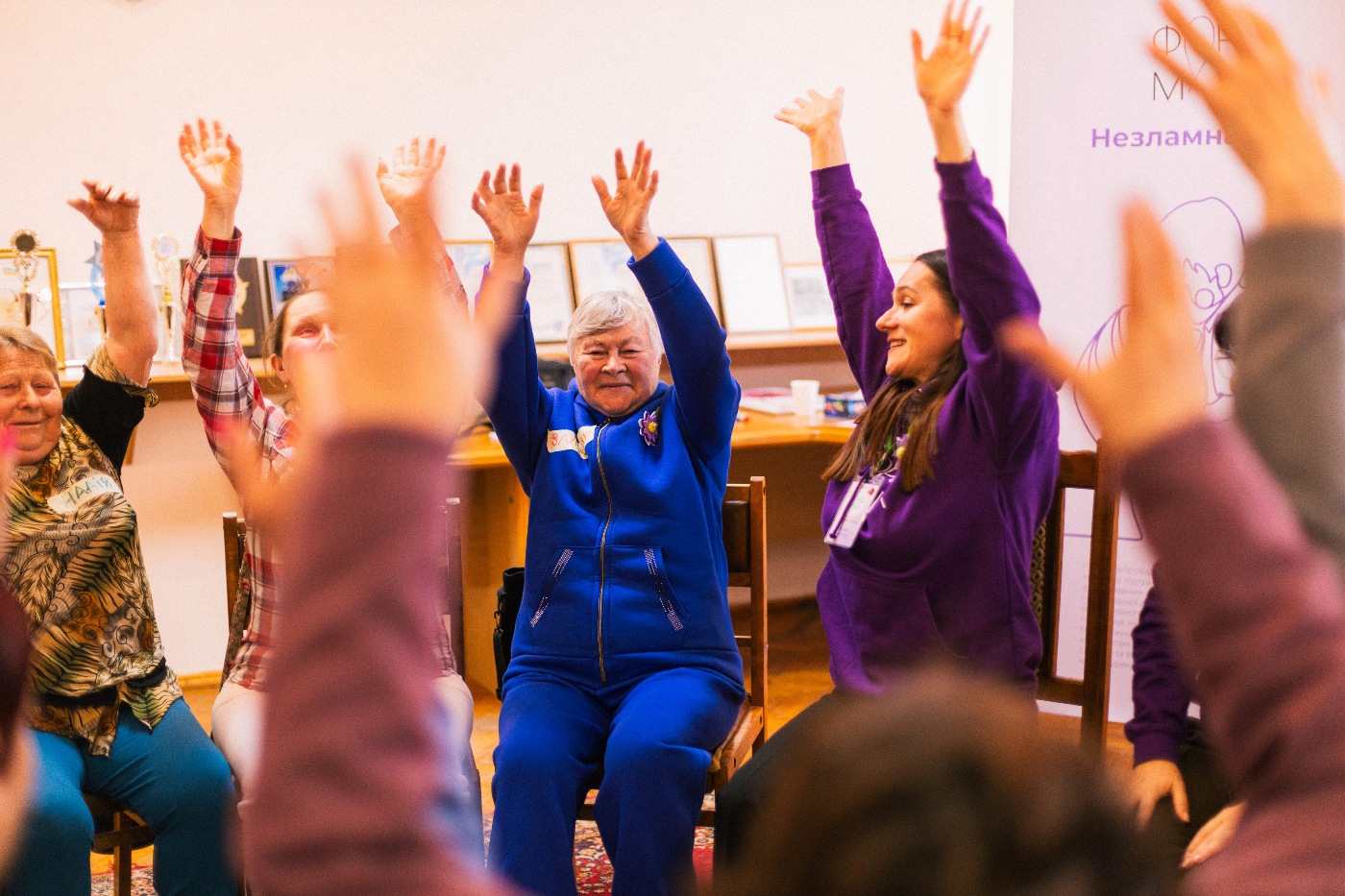
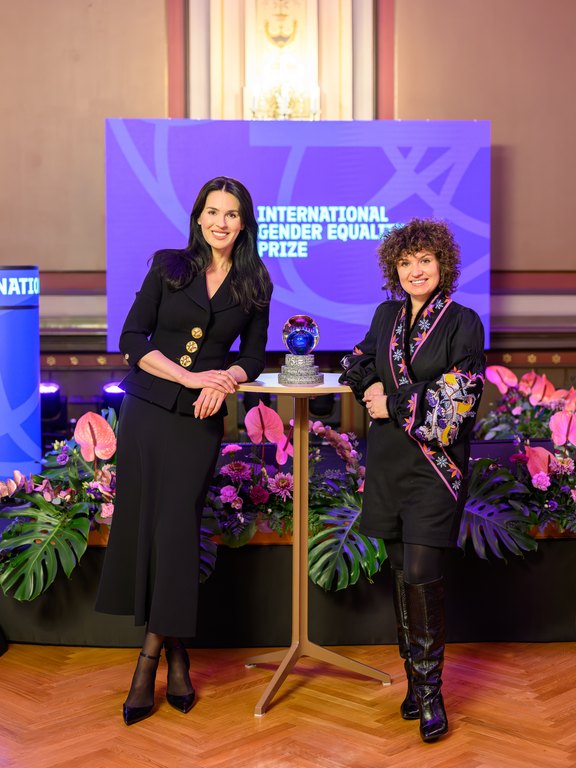
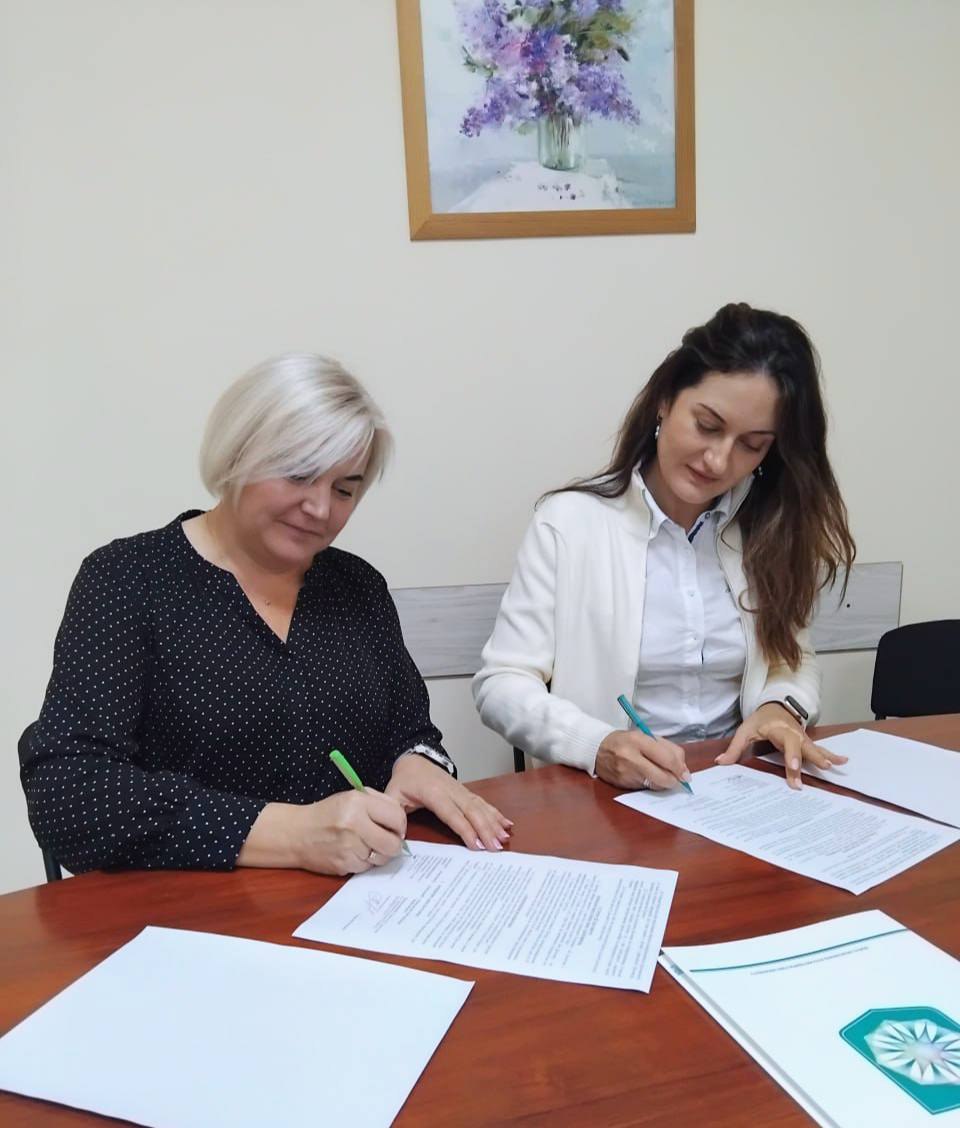
To draw attention to women’s mental health, overcome the stigma around seeking psychological help, and ensure access to quality support and recovery, the Masha Foundation, with the support of German partners RenUA e.V., Wir in Europa e.V., and Blau-Gelbes Kreuz Deutsch-Ukrainischer Verein e.V., has begun implementing a comprehensive project to support women who have experienced trauma. The project is supported by the American humanitarian organization Direct Relief, which has long provided significant assistance to Ukraine in the medical and social sectors.
The project, implemented at Kyiv City Maternity Hospital No. 1 and the Dnipropetrovsk Regional Clinical Hospital named after I. I. Mechnikov, is designed to strengthen the maternal and neonatal health system, improve the quality of obstetric and neonatal care in public medical institutions, and create a pilot model of a safe and psychologically supportive environment in maternity wards. Special attention is given to supporting women affected by the war, internally displaced persons, families of service members, and medical workers operating under increased pressure.
A separate focus of the project is the development of an effective support model that can later be scaled and introduced in other hospitals across Ukraine. Particular attention is paid to creating comfortable spaces in maternity wards. This is not only about medical care but also about the environment in which a woman stays: wards should be as safe, welcoming, and responsive to mothers’ needs as possible. In the difficult conditions of war, even basic things—quiet, warmth, privacy, and humane treatment—become critically important for a woman’s psychological state and postpartum recovery.
“Caring for a woman during pregnancy and immediately after the birth of her child is not only a matter of comfort but also an important component of her physical and mental health. The conditions in which a woman spends the first days after giving birth affect her well-being, her bond with the baby, and her further experience of motherhood. In wartime, creating such conditions is not a luxury but a necessity. It is an investment in the health of mothers and children and in the future of Ukraine,” says Tetiana Muratkina, head of the Masha Foundation.
She also adds that, in the context of the war, the number of people with limited mobility in Ukraine is growing significantly. Veterans’ wives, women recovering from injuries, and new mothers with disabilities all need barrier-free spaces. Accessibility is no longer a “nice to have”; it is a requirement for any reconstruction or renovation.
“As doctors, we understand very well that medical facilities often cause anxiety among patients, because a woman usually comes to a doctor with questions, concerns, or complaints and expects answers,” explains Nataliia Honcharuk, director of Maternity Hospital No. 1 and Doctor of Medical Sciences. “That is why we pay special attention to the arrangement of both examination and consultation rooms and wards. We want this to be not just a place of treatment, but a space where a woman receives not only medical care but also attention, warmth, comfort, and a friendly attitude. Our goal is to do everything possible so that every woman, regardless of her circumstances, feels calm, confident, and comfortable.”
The vast majority of maternity wards in Ukraine were built in the 1960s–1980s according to Soviet construction standards that did not provide for inclusivity, partner-assisted births, or patients’ psychological comfort. Narrow corridors and doorways, tiny bathrooms, shared rooms for four to six people, and a cold, sterile aesthetic remain the standard in most public facilities. Ukraine has about 400 maternity hospitals, 70% of which need renovation. At the same time, new construction is the exception; reconstruction or major repairs of existing buildings remain the most realistic and accessible path forward.
“The work of such a counseling room for couples and a family delivery room is aimed at giving families the opportunity to prepare for the birth of a child together, without anxiety, in a place where someone is there to hold a woman’s hand, where her choices, pain, and strength are respected,” adds Iryna Kytova, deputy medical director for obstetric and gynecological care at the I. I. Mechnikov Hospital and Honored Doctor of Ukraine. “I see this project as a change in the philosophy of how we approach every woman and the process of bringing new life into the world. We want every mother, when remembering her childbirth experience, to feel not fear but safety and care.”
The implementation of the project has important social significance, as it is aimed at overcoming the consequences of traumatic experiences, supporting women in their recovery, and strengthening the mental health of Ukrainian society during the war.
Today, the project not only provides direct assistance to women in two medical institutions but also serves as a step toward systemic change in the approach to maternal health in Ukraine. By supporting women during the most vulnerable period of their lives, the initiative lays the foundation for a healthy future—one in which every mother, despite the challenges of wartime, has access to care, psychological support, and humane treatment. The project partners are convinced that caring for mothers today is an investment in Ukraine’s resilience and recovery tomorrow.