If you don’t have time to fall asleep before the siren, you won’t be able to fall asleep. Went down to the shelter— say goodbye to sleep. Picked up your phone to see if anything was flying towards the city, and you sat with the phone in my hands until morning. Everyone has such “signs”. And each of these signs leads to insomnia, loss of focus, chronic fatigue, and a life of constant stress.
“When a person hears the sound of a siren, the brain instantly detects danger: the fear center is activated, cortisol and norepinephrine are released into the bloodstream, and the body goes into “survival” mode. It is difficult to fall asleep in such a state, because sleep is about trusting a safe environment, explains Kateryna Hannokha, a psychiatrist at the Masha Foundation. Even if you go down to a shelter where you are safe and are supposed to sleep peacefully, sleep is still blocked because the psyche remains tense. If certain people manage to fall asleep in a shelter, this indicates good adaptability of the nervous system.
By the way, we ourselves increase our own anxiety and drive away sleep. Here’s how:
“We often exacerbate this condition ourselves when we pick up our smartphones. The bright light of the screen and the news feed leave us in a state of tension, preventing us from relaxing. Anxiety is reactivated, and the release of stress hormones increases. The light from your phone screen also reduces melatonin release. If you don’t touch your phone, your body has a chance to calm down on its own, and you can even fall asleep again in the hallway.
What to do to get back to sleep during air raid alarms?
For reference
The Unbreakable Mental Recovery Center helps women and children cope with the negative psychological consequences of war every day. Individual consultations with psychologists for adults and children are held here, as well as group classes in art therapy and kundalini yoga. We also hold emotional support groups for women waiting for men from the front, who lost their loved ones in the war, and whose relatives have gone missing. All services of the Center are absolutely free. If you want to sign up for an individual consultation with a psychologist or attend group classes at our Center, fill out the questionnaire at the link. And to be the first to see news about classes, subscribe to the Telegram channel of the Unbreakable Center.
________________________________________________________
Why is it important to talk about abuse? A psychologist explains
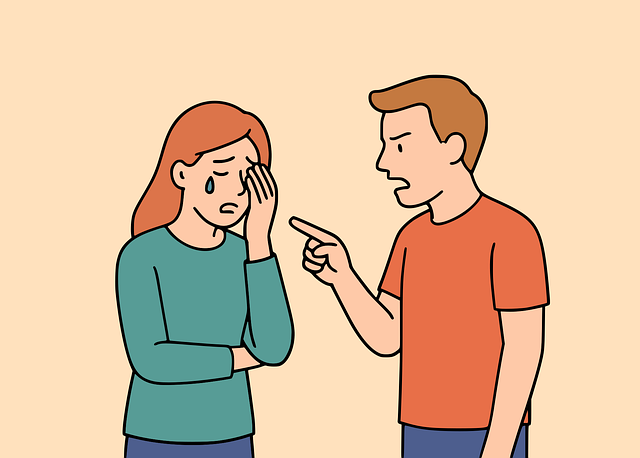
Publicly speaking about abuse often becomes a double blow for victims: Instead of support, they receive criticism and hate. But silence leaves the problem invisible. Instead, openness can save someone’s life. So, why are public narratives of abuse important? We’re figuring it out together with Olena Zapolska, a methodologist at the Unbreakable Mental Recovery Center from the Masha Foundation.
Every few weeks, the Ukrainian public space is filled with stories of women who have suffered physical, psychological, economic, emotional, or sexual violence. Sometimes, from all the above. And, unfortunately, along with the overwhelming support, these women often receive a huge dose of hate. We collected some typical questions from haters under similar stories and answered them together with Olena Zapolska, a psychologist at the Masha Foundation. And also explained why speaking out about violence is very, very important.
Question #1:
Why didn’t you leave the abuser right away?
“Our psyche is very adaptive. And often we adapt to the situations in which we have to live. These situations may be abnormal, but we have adapted to them. Getting out of an abnormal situation, such as violence and abuse, is a big change in life. Often, women decide on them for years.
The “last straw” to get out is different for everyone. Sometimes other people find out about the violence or abuse. Then the truth can no longer be hidden. However, sometimes only another person’s perspective allows abusive partners to see reality. Physical violence is obvious, but psychological or financial violence is more difficult to recognize.
Sometimes the last straw is a raised hand that hits harder than the victims are used to. Sometimes the last straw is a hand raised against a child. Often, partners of abusers simply get tired or somatize their emotional states. This gives the opportunity to people close to them to pay attention to it.
There are situations when the opportunity to earn money and support yourself and your children on your own becomes an opportunity to leave a relationship (spoiler: usually it is difficult).”
Question #2:
Why didn’t she tell anyone about the abuse after she left her abuser?
After such difficult changes as breaking up with an abuser, our psyche needs time to readjust, to be able to live and process this experience.
“Often the impetus to speak is someone else’s experience, which victims of abusive relationships hear and see. This gives you the opportunity to see your history from the outside and give it an honest name. That’s why it’s so important not to silence violence, not to shame victims for their stories, not to blame them for it. If they could have acted differently, they would have definitely acted differently.”
Question #3
Why tell a story of violence if it only hurts the storyteller?
“Sometimes public openness causes retraumatization, but sometimes, on the contrary, this story heals. Because we can finally call a spade a spade and stop pretending that nothing is happening. But public confession requires considerable strength. Therefore, before you dare to come out about your relationship, it is important to take care of yourself and assess your emotional state. Enduring criticism, shaming, and condemnation takes a lot of strength.
A frank story is an opportunity to find support, but we should also not forget about the risk of being criticized. Then this shame, guilt, and fear can return us to the emotional state we experienced during the abuse.
Important!
How does publicizing such stories help other women experiencing violence?
“Gaslighting is a type of psychological manipulation that makes a person doubt their adequacy. Gaslighting and abuse are best friends; one helps the other do everything to prevent the victim of bullying from being mentally stable and not understanding what is happening to them. Therefore, when victims see someone else’s experience in public space, they confront their own experiences and emotions, begin to understand more about their relationships and their own condition, and begin to identify these relationships as unhealthy. And they may dare, perhaps not even to speak publicly about it, but at least seek support among loved ones.
I always ask clients who are living with violence or abuse: “Is there anyone who knows about this? If not, is there anyone you can tell?”
Finding external support to strengthen yourself and get out of such a relationship is the first step. That’s why it’s so important to talk about psychological, financial, and physical violence. For some, your story is an opportunity to take an honest look at their life.”
How to psychologically survive the public disclosure of your story