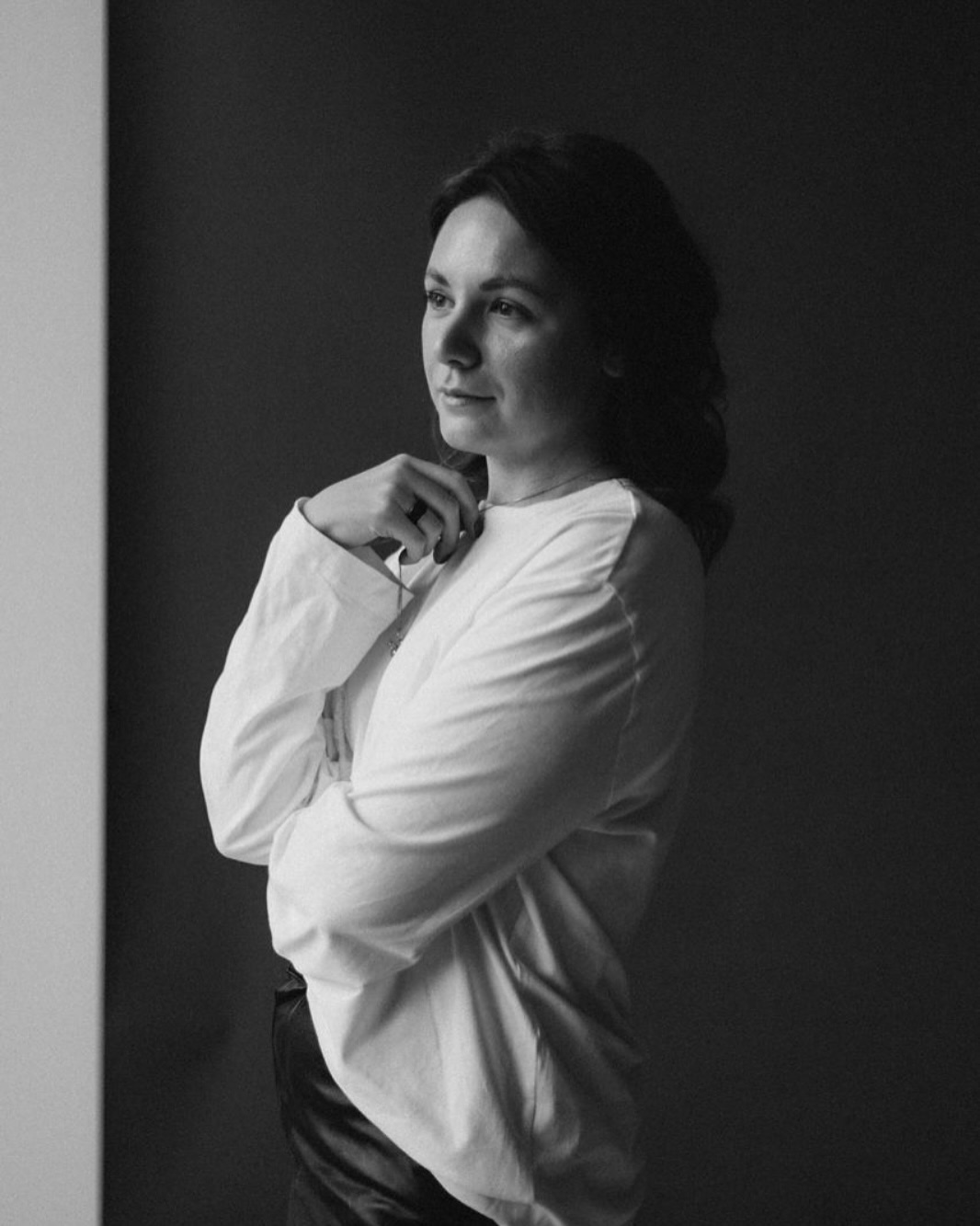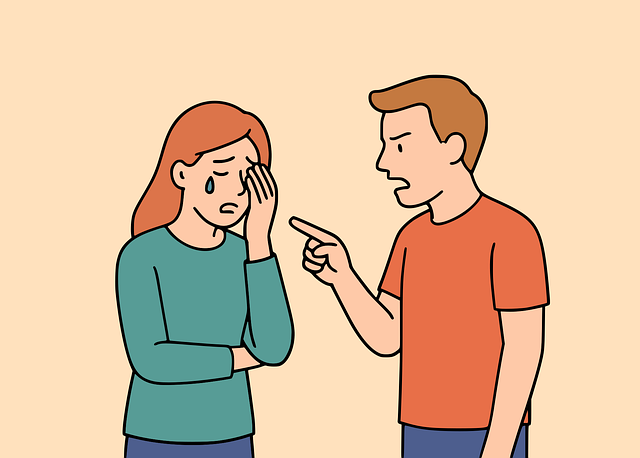
One of the reasons why victims of various types of violence are afraid to seek help is victim-blaming, when responsibility is shifted from the perpetrator to the person who suffered. Psychologist at the Unbreakable Center for Mental Recovery from the Masha Foundation, Iryna Liabakh, explains why this happens, how victim blaming harms, and how we can support a person instead of hurting them.
What is victim blaming?
Victim blaming occurs when the focus shifts from the perpetrator to the survivor. The person is asked questions or made assumptions that imply they did something wrong.
“For example, towards women who have suffered from sexual violence, victim-blaming is manifested in phrases like: “you weren’t dressed the right way”, “why didn’t you leave earlier”, “why didn’t you defend yourself”.” Replacing the person in charge creates the illusion that the situation was completely manageable. However, the perpetrator is always responsible, not the victim,” explains Iryna Liabakh, a psychologist at the Masha Foundation.
Why is it easier for society to blame the victim?
There are several reasons, and they are all related to psychological defensive reactions.
“People are afraid to accept the idea that violence can happen to anyone, any time. This destroys the illusion of control over the world. Therefore, it is easier to invent a rule that supposedly ensures: is you had behaved differently, this wouldn’t have happened,” says the psychologist at the Unbreakable Center.
Added to this are stereotypes, prejudices, and a low culture of personal responsibility. And also the belief that the world is fair and people get what they “deserve”. People are afraid to admit that the abuser could be anyone, even an “ordinary” person, so it’s easier to say “it’s your own fault”. Such beliefs allow you to reduce your own fear, but they hurt the person who suffered.”
How victim blaming hurts victims
The psychological consequences are severe and long-lasting.
“A person experiences a double trauma. First from the violence itself, and then from the accusations. Their pain is being devalued, experience is being questioned, and this destroys their ability to trust others and themselves,” says Iryna Liabakh.
Victim blaming also causes:
The person feels constant shame and guilt, meaning victims often begin to believe the accusations they hear from others. They may feel shame, guilt, that they “didn’t do enough,” “provoked it themselves,” or “didn’t protect themselves.” This significantly lowers self-esteem and increases feelings of inferiority.
When a person is blamed or unsupported, they can feel lonely. Distrust of others and fear of new judgment make a person withdrawn, making it difficult for them to share emotions and ask for help.
Victim blaming intensifies anxiety, fears, and feelings of danger even in ordinary situations. In some cases, this can provoke post-traumatic stress or depressive states.
This is also destructive for society, because in such a model, attention shifts away from the offender. They can continue the violence with impunity.”
Why victims stop asking for help
“People are afraid that they will not be believed or judged. They already feel the guilt that others have attributed to them and are embarrassed to talk about their experiences. As a result, they are left alone with their trauma,” explains psychologist Iryna Lyabakh.
This means that every instance of victim-blaming makes violence less visible and less punishable.
How to provide support properly
Iryna Liabakh advises starting with basic but important things.
“First of all, put yourself in the person’s shoes and ask yourself: How would I feel in such a situation? This simple question restores our empathy and humanness.”
Important:
What to do for those who face victim-blaming
“Remember: you are not to blame for what happened to you. Look for a supportive environment (this could be friends, a psychologist, or self-help groups) and don’t stay alone. If possible, contact specialists who work with trauma. And remember: “Victim-blaming doesn’t talk about you, but about the fears and prejudices of those who do it,” emphasizes Iryna Liabakh, a psychologist at the Masha Foundation.