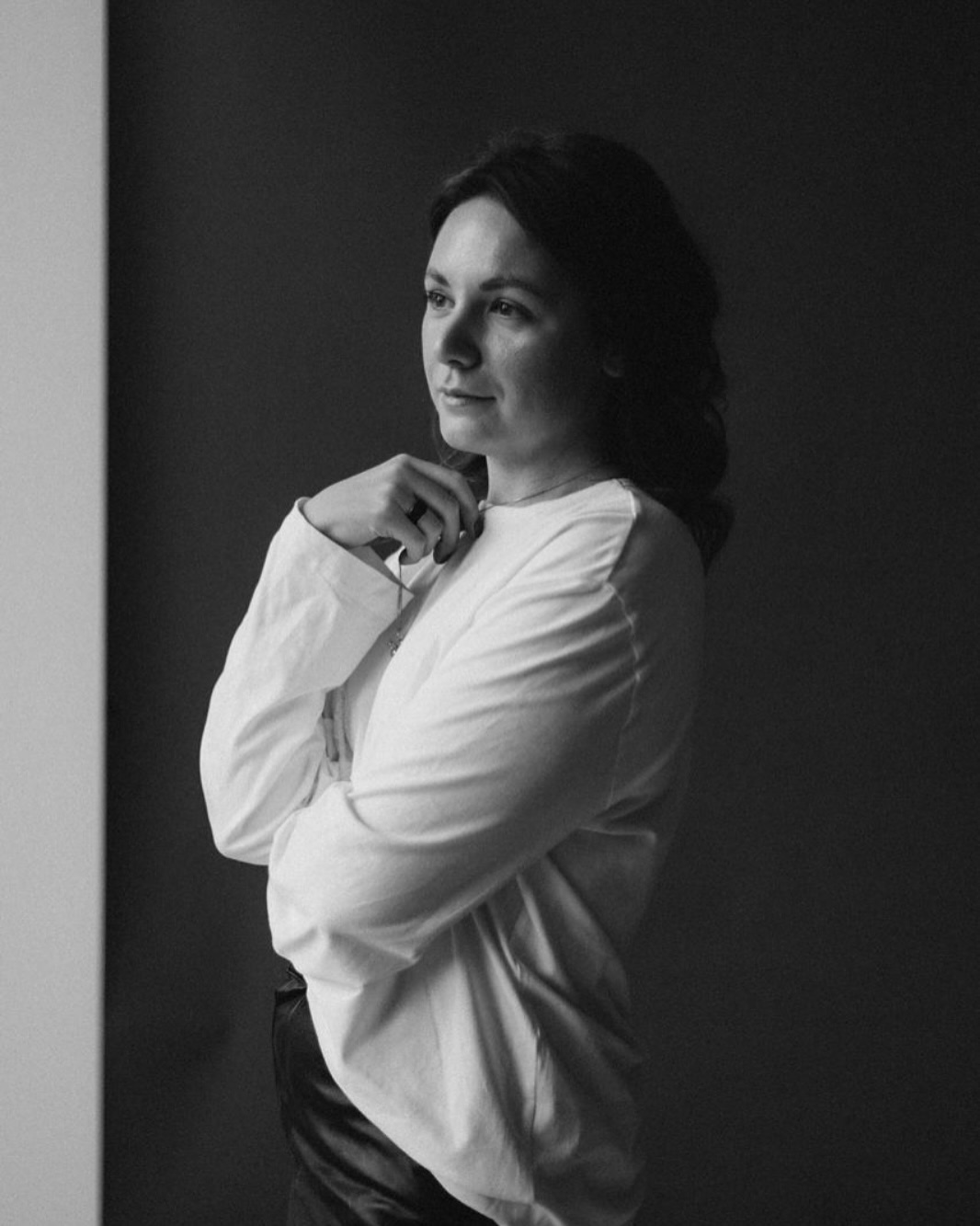
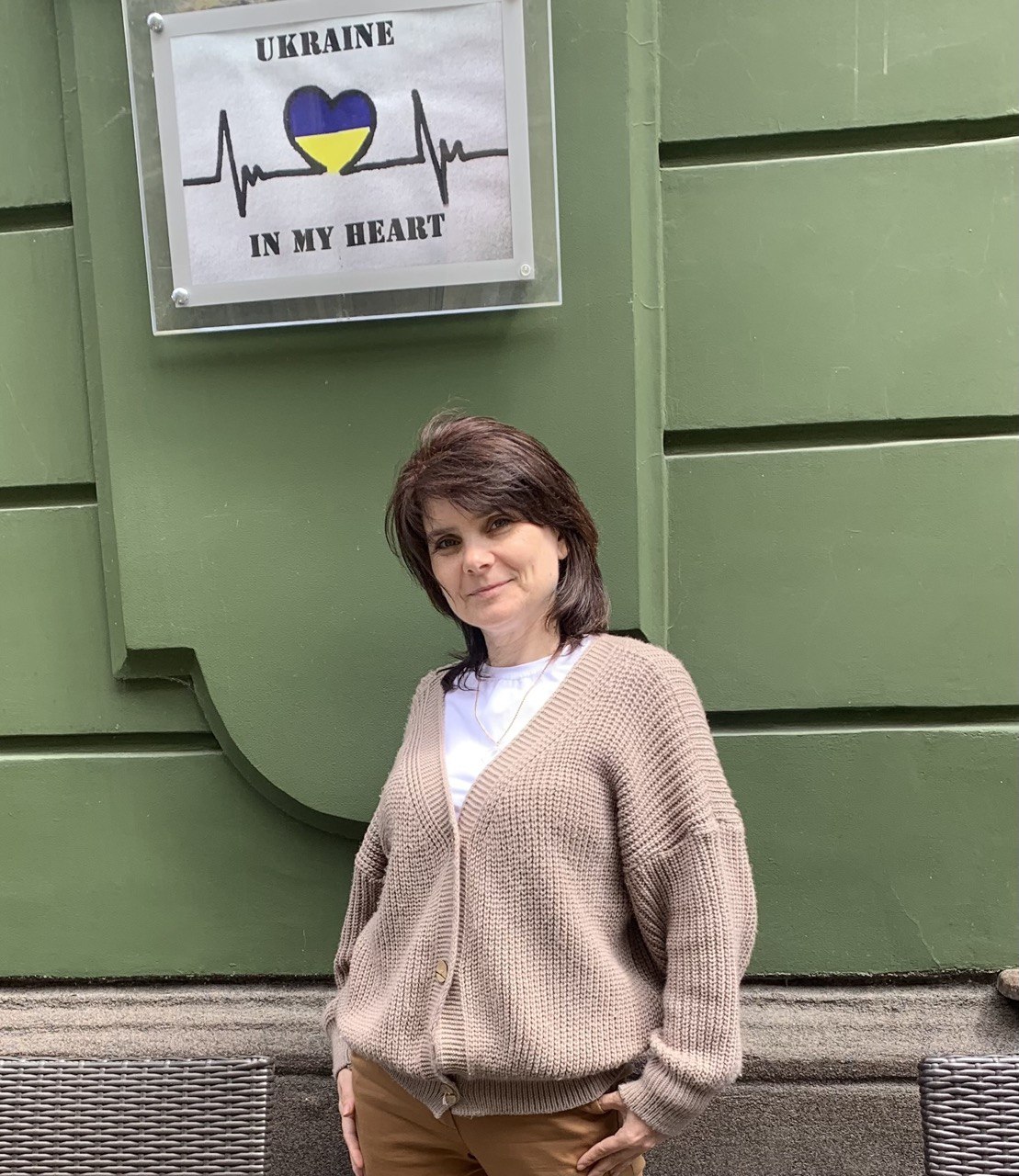
One of them is an art therapy exercise, offered by Olena Lutsenko, a psychologist and art therapist at the Unbreakable Mental Recovery Center from the Masha Foundation.
The psyche is based on a self-image–a kind of internal image of the “I”. It’s more than self-esteem or mood. This is the basic construct that defines who I am, what I am like, what is appropriate for me, and what is unacceptable for me.
“The image of “I” changes and is supplemented throughout life. However, normally, this happens gradually and is felt as positive growth—when we accumulate experience, adapt to new conditions, and develop in new roles,” says Olena Lutsenko, a psychologist at the Masha Foundation. “With trauma, these changes become rapid, excessive, and painful. The psyche simply doesn’t have time to adapt. The image of the “I” is literally cracking. And this inner destruction can be perceived as a serious illness or even death—such are the deep physical and emotional feelings that accompany it.
But even after such traumas, you can rebuild yourself, rediscover your “I”—with new meanings, new supports. Art therapy can be the first, very gentle, and physically understandable step in this direction.
Exercise New Image
This exercise is more than an applique. This is an attempt to assemble a new whole from familiar fragments. Give yourself permission to be different. Not to “return to your old self,” but to create a new self—with experiences that cannot be denied, but which must not destroy. The exercise is simple, yet deep, and can be the first building block in restoring inner integrity.
You will need:
How to do the exercise:
– What do I like about this image?
– What are its strengths?
– What wonderful qualities do we have in common?
– What can I wish for this image?
“This exercise allows us to do a kind of defragmentation. In computing, this means organizing files for more efficient work. The disk remains the same, but it works faster,” says Olena Lutsenko, a psychologist at the Unbreakable Center. “And with the psyche, it’s similar. With this exercise, we create a new image with new connections between once fragmented particles. It works faster and more efficiently, but for itself.”